
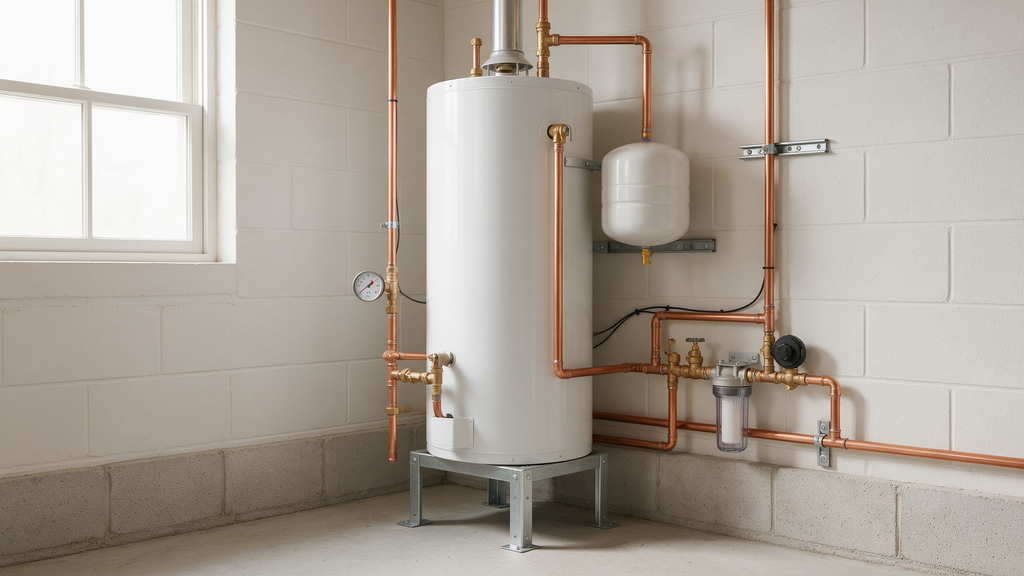
When a plumbing system includes a check valve, backflow device, or pressure-reducing valve that prevents heated water from expanding back toward the supply, water-heater cycles can create temporary pressure increases. An expansion-control strategy may be required depending on the system design and applicable code. For homeowners in Center City, Point Breeze, Ardmore, and Main Line, this is the kind of detail that can decide whether a renovation or repair remains durable after the visible finish is complete.
The primary search intent behind thermal expansion tank plumbing Philadelphia is practical: understand what the condition means, what should be checked before work proceeds, and how to avoid closing the assembly before the real cause is understood. The goal is not to over-complicate the project; it is to make the scope match the condition that is actually present.
The Problem Behind the Visible Symptom
The visible symptom is only one part of the decision. A contractor also needs to understand whether the system behaves as open or closed, existing pressure-reducing and backflow devices, and how those findings affect the surrounding work. Resolving those questions before finish work protects the new materials and helps keep a localized detail from turning into avoidable rework later.
A Practical Inspection Checklist
A professional review typically includes:
- Whether the system behaves as open or closed
- Existing pressure-reducing and backflow devices
- Water-heater size and operating conditions
- Condition, sizing, and precharge of any existing expansion tank
Building the Detail Correctly
A plumber should verify the system configuration before adding or replacing an expansion tank. The tank is not a substitute for correcting excessive incoming pressure or a failing regulator, and it should be installed and supported according to the applicable requirements and manufacturer instructions. The best result comes from coordinating the hidden construction with the finish requirements so one trade is not forced to undo another trade’s completed work.
This is where a focused commercial service page should receive the strongest internal support. Learn more about plumbing services and how the broader project can be coordinated around the condition described here.
Shortcuts That Usually Fail
Adding a tank without checking pressure or system configuration can leave the original problem unresolved. An old waterlogged tank can also look present while no longer absorbing expansion effectively. A strong scope separates a cosmetic correction from work that affects performance, access, drainage, structure, or serviceability.
Escalation Triggers
Repeated relief-valve discharge, unusually high pressure readings, or changes after utility/backflow work should be evaluated as a system issue rather than treated only at the water heater. That decision should be made before the area is covered, painted, tiled, sided, or otherwise treated as complete.
Reference: Pennsylvania Uniform Construction Code. Requirements and field conditions vary by project, so the applicable authority and project-specific professionals should guide final decisions.
Plan the Next Step
Philadelphia Plumbing Experts can inspect the existing piping and fixtures, identify whether the problem is localized or system-wide, and recommend a repair or installation scope that matches the actual condition.